

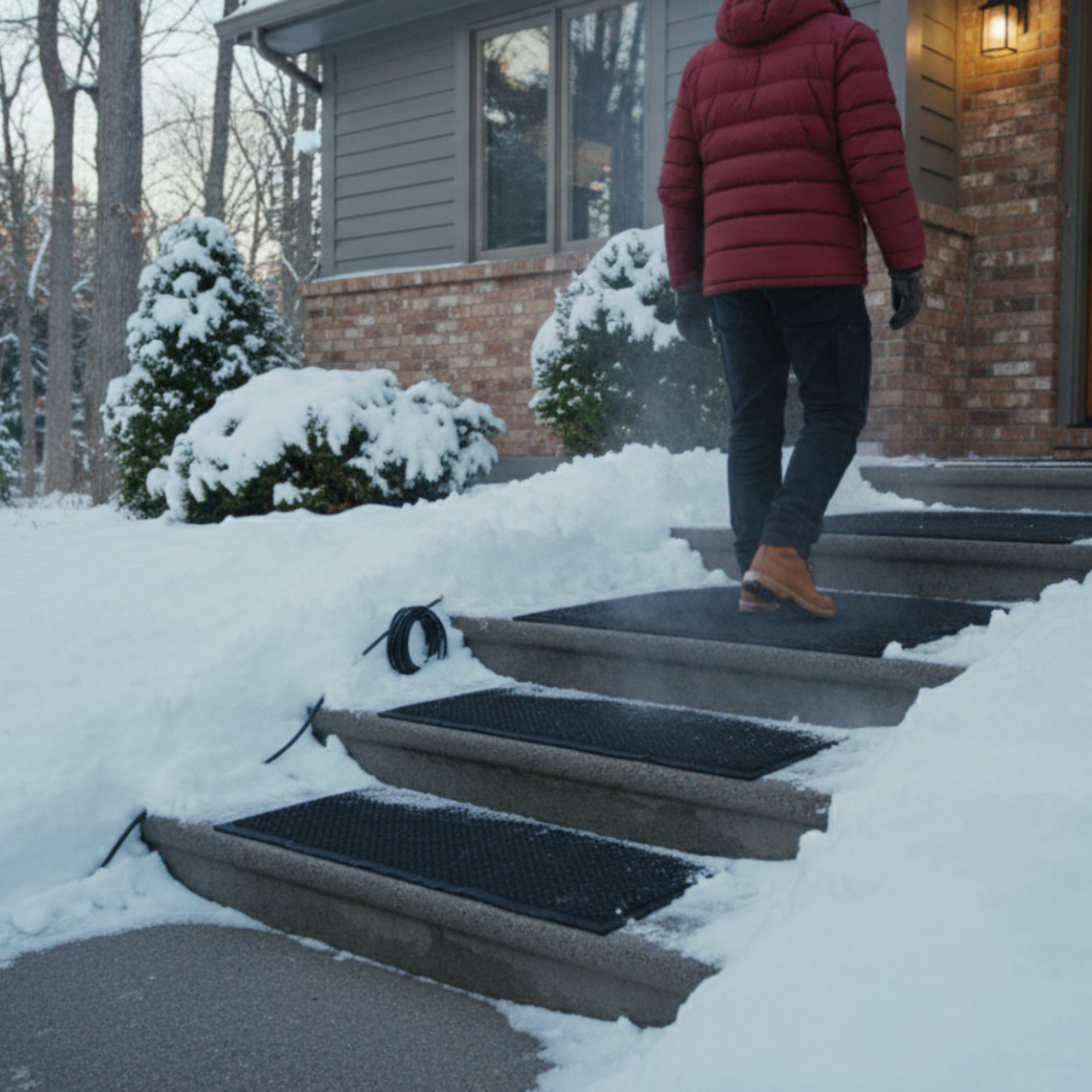

Winter weather can be unpredictable, but one thing is certain: icy walkways are a safety problem waiting to happen. Whether you manage a commercial property or want safer paths at home, heated walkway mats offer a simple, effective alternative to shoveling, salting, and constant winter maintenance.
But not all heated mats are created equal. With so many options online, finding one that truly performs in real winter conditions can feel overwhelming. This guide breaks down everything you need to consider when choosing heated walkway mats that actually work — reliably, safely, and season after season.
Understanding What Heated Walkway Mats Do
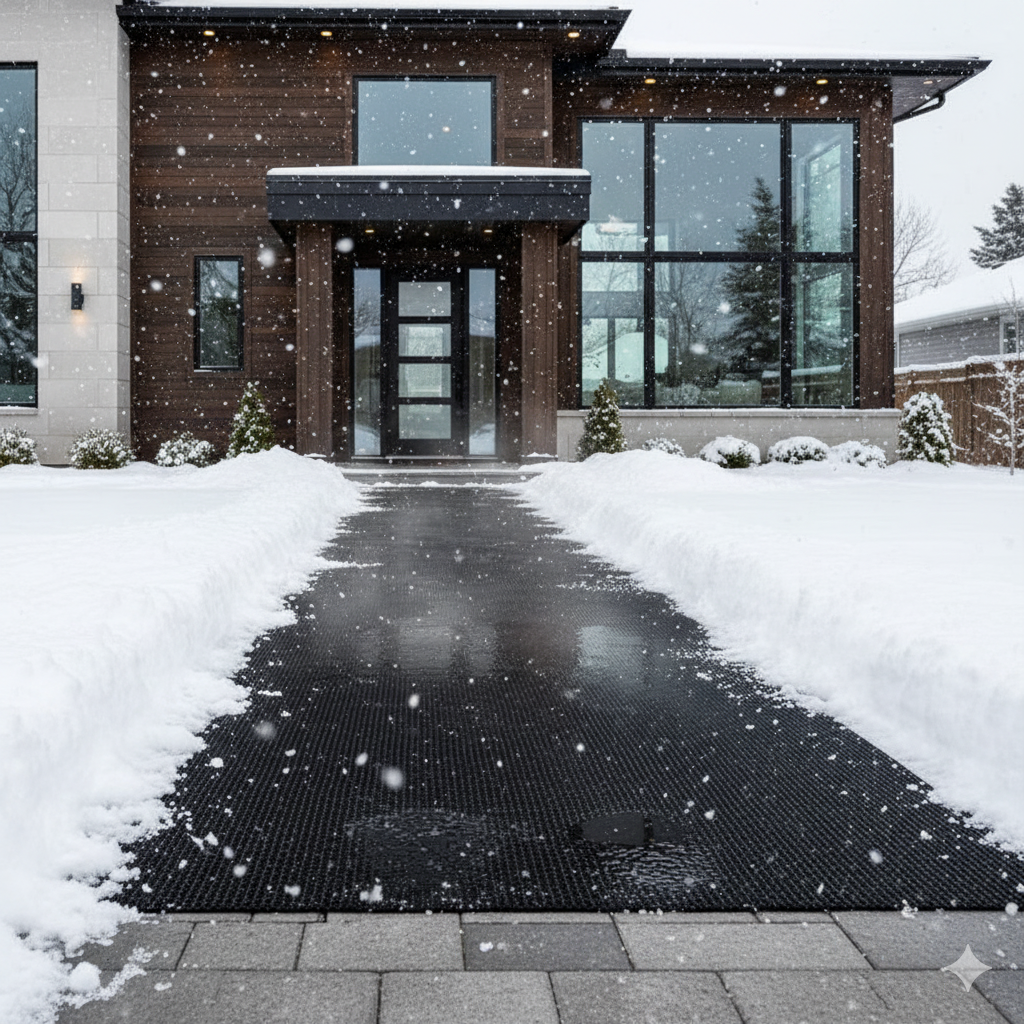
Heated walkway mats plug into a standard outdoor outlet and melt snow on contact. Unlike manual removal or rock salt, they maintain a continuous layer of warmth that prevents ice from forming in the first place. This makes them ideal for homes, office buildings, retail storefronts, warehouses, apartment complexes, schools, and anywhere foot traffic meets winter weather.
They’re especially helpful in areas exposed to ongoing snowfall or freeze–thaw cycles, where ice quickly re-forms even after shoveling.
Look for Real Performance, Not Just Promises
When comparing heated mats online, the first thing to check is how well they perform in real-world conditions. Temperature rating, watt density, and melt rate matter — but what truly counts is how consistently they keep walkways clear during active snowfall.
Quality heated mats should be able to melt snow as it lands, preventing buildup and keeping the walkway safe without constant attention.
Material Quality Should Be a Dealbreaker
The durability of a heated walkway mat depends heavily on what it’s made from. Outdoor mats face a lot of abuse: cold temperatures, foot traffic, heavy boots, and months of exposure to moisture. Always look for materials that can stand up to the environment.
Reinforced weatherproof rubber is ideal because it prevents cracking, curling, and heat loss. Choosing high-quality materials results in safer, longer-lasting performance and fewer replacements.
Make Sure Your Mats Are Safe for Outdoor Use
Heated mats must be made with outdoor-rated electrical components, especially if they’ll be exposed to snow, ice, and moisture. Check that the power connection is waterproof and designed for exterior use. Outdoor-rated plugs and cables ensure reliable operation even in harsh conditions and protect users from electrical hazards.
Consistent heat output also supports safety by eliminating ice patches that create slip risks, reducing the chance of winter accidents.
Choose a Size and Layout That Fits Your Space
One of the biggest benefits of modern heated mats is their modular design. Most brands offer mats in various lengths, widths, and formats. Some connect together in a chain, allowing you to create a custom layout across your walkway or entrance.
Long paths, narrow walkways, or full-length commercial entrances all have different needs. A well-planned layout ensures the mat covers the areas most prone to ice, including shaded sections that freeze faster.
Check for Smart Features That Make Winter Easier
Some heated mats offer temperature sensors or thermostatic controls that turn the heat on and off automatically. This reduces energy use and ensures the mat performs exactly when needed. While not always required, these features add convenience and help maintain consistent performance in fluctuating winter conditions.
For homes with decks or outdoor platforms, you can also explore more specialized solutions such as outdoor snow melting mats that are specifically designed for decking and wood-based structures. These provide better coverage and safer footing in elevated spaces.
Consider Operating Costs Instead of Upfront Price
The cost of a heated walkway mat varies based on size, material, wattage, and special features. Instead of looking for the cheapest option, evaluate long-term value. A durable, energy-efficient mat will require fewer replacements, use less power, and provide more reliable performance over multiple winters.
For an exact estimate, it’s best to request a custom quote based on your specific layout, dimensions, and local winter conditions.
Why Raised or Textured Surfaces Matter
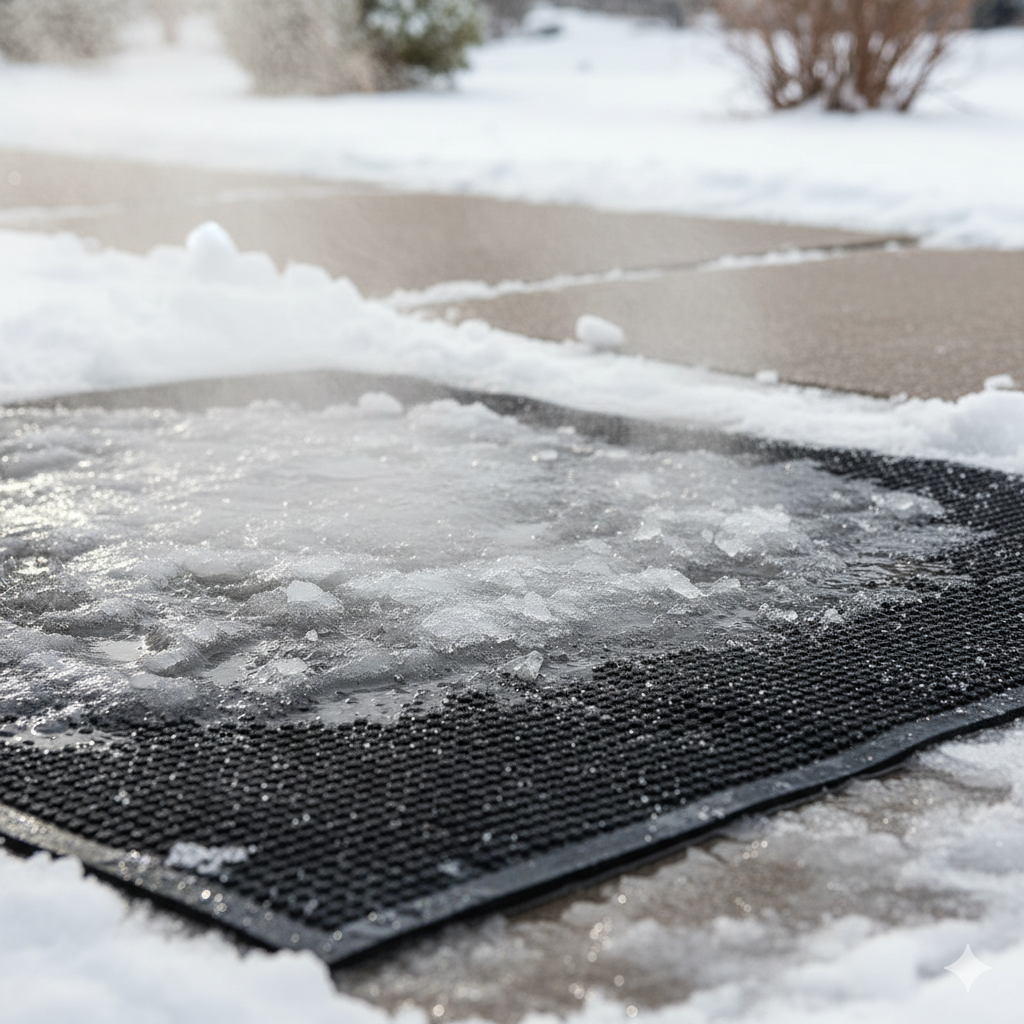
Non-slip texture is essential for winter safety. Even when heated, mats still get wet from melting snow, so traction is important. Textured surfaces help footwear grip better, preventing slips. This is especially important for commercial properties, where liability issues can arise from any walkway-related accidents.
Choose mats designed with safety surfaces to ensure the best possible footing in all winter conditions.
Maintenance Is Surprisingly Simple
One of the advantages of heated walkway mats is that they require almost no maintenance. Before the season begins, inspect the mat for any visible damage, unroll it onto your walkway, and plug it in. At the end of winter, let it dry thoroughly, roll it up, and store it indoors.
Unlike traditional methods such as salting and shoveling, this approach reduces labor and keeps your walkway consistently clear with little effort.
A Reliable Winter Solution for Safer Walkways
Choosing the right heated walkway mats can entirely transform how you handle winter upkeep. They provide clear, safe paths, reduce liability, and save you time — all without heavy maintenance or daily effort. The right mats last for seasons, not weeks, and deliver dependable melting power whenever winter weather strikes.
If you want to eliminate icy walkways for good, explore heated mats specifically designed for long-term durability and reliable melting performance. They’re one of the most effective, low-maintenance winter safety upgrades you can make.


Leave a comment
This site is protected by hCaptcha and the hCaptcha Privacy Policy and Terms of Service apply.