



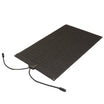
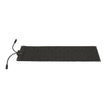
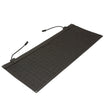
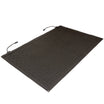

Winter brings beauty, but it also brings hazards—especially when snow and ice settle on walkways, stairs, and entry points. For homeowners and facility managers looking for a smarter alternative to shovels, salt, and constant manual upkeep, snow melting mats have emerged as a reliable solution. Understanding how these systems work helps clarify why they’re increasingly used for residential and commercial winter safety.
This guide breaks down the technology behind heated walkways in a clear, practical way—covering how snow melting mats generate heat, distribute warmth evenly, and maintain safe walking surfaces in freezing conditions.
What Snow Melting Mats Are Designed to Do
At their core, snow melting mats are electrically heated surface mats designed to prevent snow and ice accumulation before it becomes a problem. Unlike reactive methods such as shoveling or spreading de-icing chemicals after snow has already compacted, these mats work proactively.
When installed and activated, they:
-
Warm the surface area above freezing
-
Melt falling snow on contact
-
Prevent refreezing during temperature drops
-
Keep walking surfaces consistently clear
Their effectiveness comes from a combination of internal heating technology, material engineering, and smart heat distribution.
The Core Technology Inside Snow Melting Mats
Embedded Heating Elements
The foundation of every snow melting mat is an internal heating system, usually made of insulated resistance wires. When electricity flows through these wires, resistance converts electrical energy into heat—similar to how an electric blanket or radiant floor heating system operates.
These heating elements are:
-
Evenly spaced to avoid hot or cold spots
-
Fully sealed to prevent moisture intrusion
-
Designed to operate safely in wet, snowy conditions
Because the elements are embedded throughout the mat, heat radiates upward across the entire surface instead of concentrating in one area.
Heat Distribution and Surface Warming
One of the most important engineering challenges with heated walkways is consistent heat distribution. Snow melting mats solve this through layered construction.
Typical layers include:
-
A durable top surface for traction
-
A heat-conductive layer that spreads warmth evenly
-
An insulated base that directs heat upward instead of into the ground
This layered approach ensures that heat is used efficiently, melting snow evenly across the entire mat rather than creating isolated thawed patches.
How Snow Melting Mats Melt Snow on Contact
When snowflakes land on a heated mat, the surface temperature is already warm enough to melt them immediately. Instead of accumulating and compacting into ice, the snow turns into water and drains away naturally.
This prevents:
-
Ice buildup
-
Slushy refreezing
-
Dangerous black ice formation
The system doesn’t need to reach extreme temperatures—just enough to stay above freezing—making it energy-efficient while still highly effective.
Power Sources and Electrical Safety
Snow melting mats are powered through standard electrical connections, typically outdoor-rated outlets protected by GFCI (Ground Fault Circuit Interrupter) systems. These safety measures automatically shut off power if an electrical fault is detected, ensuring safe operation even during snowstorms.
Important safety features include:
-
Waterproof insulation around wiring
-
Cold-rated power cords
-
Weather-resistant connectors
These design elements allow the mats to function safely in wet, icy environments without risk to users.
Temperature Regulation and Smart Control Options
Some snow melting mats operate continuously during winter conditions, while others are paired with thermostats or sensors. These control options help optimize performance and energy usage.
Common control methods include:
-
Manual on/off switches
-
Timers
-
Temperature-sensing activation
-
Moisture and snow detection systems
Using controls allows the mats to activate only when conditions require it, reducing unnecessary energy use while maintaining safety.
Material Engineering: Built for Winter Abuse
Snow melting mats aren’t just heating devices—they’re also load-bearing, weather-resistant surfaces designed for harsh winter environments.
High-quality mats are typically made from:
-
Industrial-grade rubber or polymer blends
-
UV-resistant materials
-
Slip-resistant textured surfaces
These materials are chosen to withstand:
-
Freeze-thaw cycles
-
Foot traffic
-
Snow boots and equipment
-
Moisture exposure
The durability of the outer surface is just as important as the heating technology inside.
Traction and Slip Resistance
While heat melts snow, surface texture prevents slips. Most snow melting mats include molded traction patterns that remain effective even when wet.
This dual approach—melting ice and improving grip—significantly reduces the risk of slips and falls compared to untreated surfaces.
Modular Design and Coverage Planning
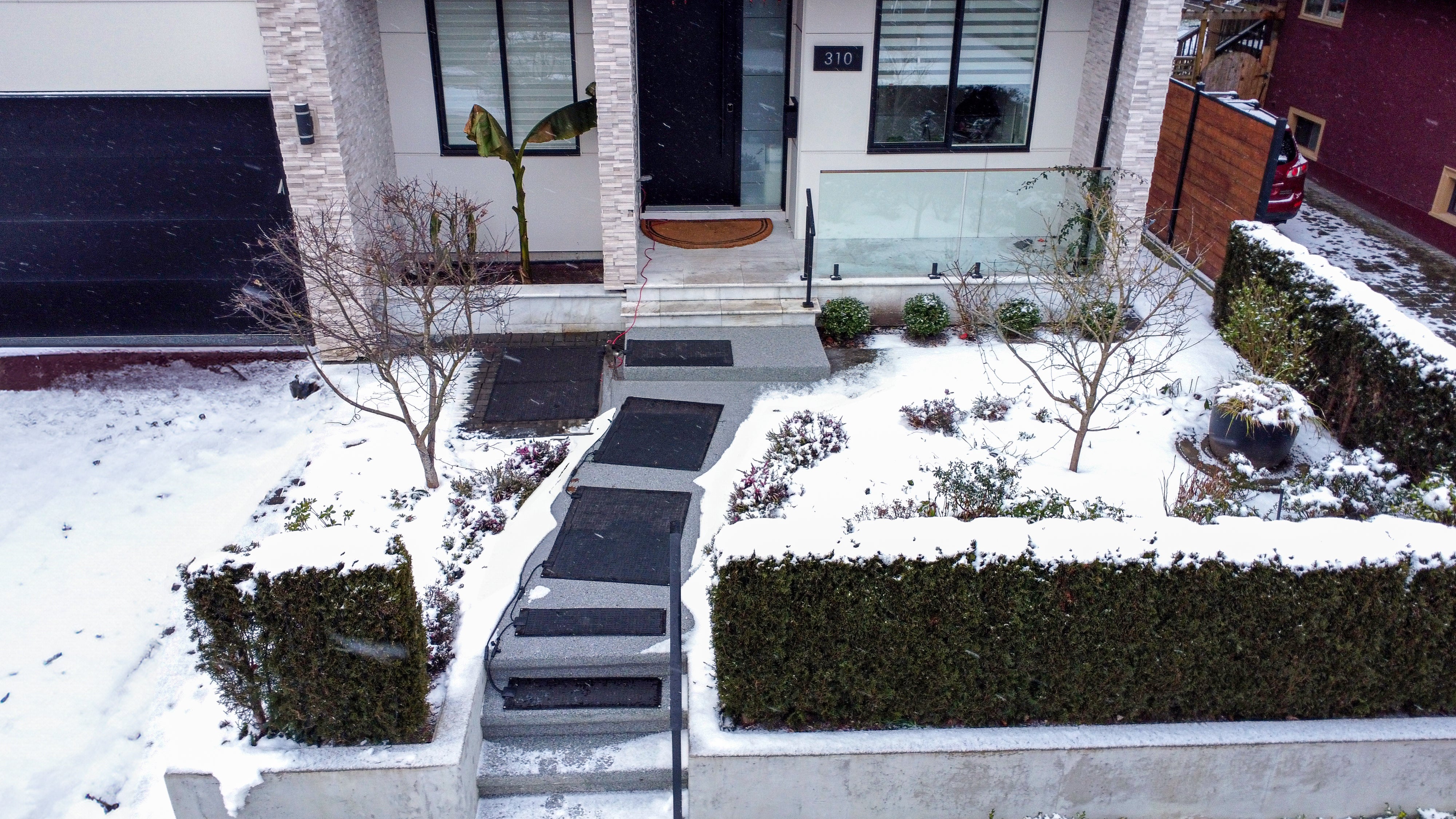
One of the advantages of snow melting mats is their modular design. Instead of installing permanent heated flooring, users can connect multiple mats to cover specific high-risk areas.
Common placements include:
-
Front steps and landings
-
Walkways between buildings
-
Ramps and accessibility paths
-
Decks and outdoor seating areas
For example, snow melting mats for deck applications allow homeowners to safely use outdoor spaces during winter while protecting the underlying surface from moisture damage and freeze-thaw stress.
Why Snow Melting Mats Reduce the Need for Chemicals
Traditional ice control relies heavily on salt and chemical de-icers, which come with downsides:
-
Damage to concrete and stone
-
Corrosion of metal railings
-
Harm to pets and plants
-
Environmental runoff concerns
Snow melting mats address ice at the source—by preventing accumulation altogether—reducing or eliminating the need for chemical treatments.
Energy Efficiency Considerations
While snow melting mats do use electricity, they’re designed for targeted heating rather than full-area warming. This localized approach makes them more efficient than heating an entire driveway or relying on repeated manual labor.
Factors that affect energy use include:
-
Mat size and coverage area
-
Outdoor temperature
-
Duration of activation
-
Use of timers or sensors
Many users find that controlled operation balances performance with energy consumption effectively.
Residential vs Commercial Applications
The underlying technology is the same, but usage scenarios differ.
Residential use often focuses on:
-
Front steps
-
Walkways
-
Decks and patios
-
Side entrances
Commercial use prioritizes:
-
High-traffic entryways
-
Accessibility compliance
-
Liability reduction
-
Consistent operation during business hours
In both cases, the technology adapts to the environment without requiring permanent structural changes.
Installation Without Construction
Unlike embedded radiant heating systems, snow melting mats require no demolition or permanent installation. They’re laid directly onto existing surfaces and connected to power.
This makes them ideal for:
-
Seasonal use
-
Temporary safety upgrades
-
Rental properties
-
Areas where construction isn’t practical
When winter ends, mats can be rolled up and stored until the next season.
Longevity and Seasonal Maintenance
Properly built snow melting mats are designed for repeated seasonal use. Basic maintenance includes:
-
Inspecting cords before each season
-
Keeping connectors dry and secure
-
Storing mats clean and rolled during off-season months
Following these steps helps preserve both the heating elements and surface materials year after year.
Why Understanding the Technology Matters
Knowing how snow melting mats work allows property owners to make informed decisions about winter safety solutions. Instead of reacting to snow and ice after they appear, heated mats offer a proactive approach that combines engineering, safety, and convenience.
By delivering controlled heat, durable construction, and slip-resistant surfaces, these systems provide a practical answer to one of winter’s most persistent challenges—keeping walkways safe without constant effort.


Leave a comment
This site is protected by hCaptcha and the hCaptcha Privacy Policy and Terms of Service apply.