


Winter maintenance has traditionally meant one thing: grabbing a shovel and heading outside as soon as snow starts to pile up. For decades, shoveling has been the default response to winter weather for homeowners, businesses, and property managers alike. But as winters become more unpredictable and safety concerns grow, many are questioning whether manual snow removal is still the most reliable approach.
Heated snow melting mats offer an alternative that changes how winter safety is managed. Instead of reacting to snow and ice after they accumulate, these systems work continuously to prevent buildup in the first place. This article takes a practical, safety-focused look at heated mats versus snow shoveling, comparing reliability, physical risk, consistency, and long-term effectiveness.
The Traditional Approach: Snow Shoveling Explained
Snow shoveling is straightforward in concept: remove snow manually to expose a walkable surface. While it seems simple, the process has limitations that often go overlooked.
Shoveling depends heavily on timing, physical ability, weather conditions, and surface conditions underneath the snow. If snow is not removed promptly, it compacts underfoot, melts slightly during the day, and refreezes overnight, creating ice that is much harder to manage.
Safety Risks Associated With Snow Shoveling
One of the most significant risks of snow shoveling is physical injury. Cold temperatures, heavy snow, and awkward lifting positions can place intense strain on the body.
Common shoveling-related injuries include lower back strain, shoulder and arm injuries, slips and falls while lifting, and cardiovascular stress from overexertion. These risks increase for older adults, individuals with limited mobility, and anyone shoveling during extreme cold or heavy snowfall.
Even after snow is cleared, surfaces are often left wet or partially icy. Meltwater refreezes quickly, especially in shaded areas, creating slippery conditions shortly after shoveling is complete. This creates a cycle where snow is shoveled, meltwater forms, ice develops, and additional treatment such as salt or sand becomes necessary.
Heated Snow Melting Mats: A Preventive Alternative
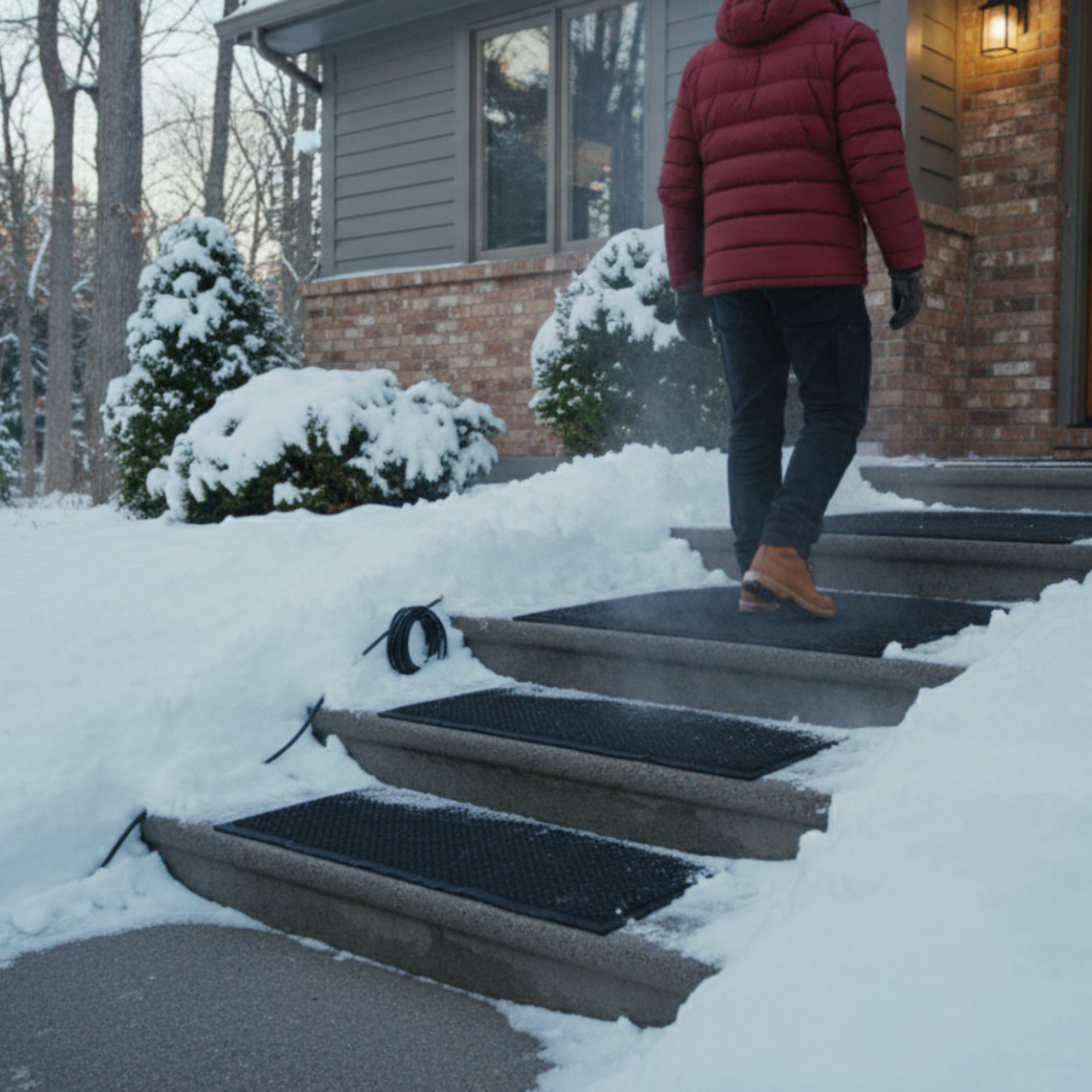
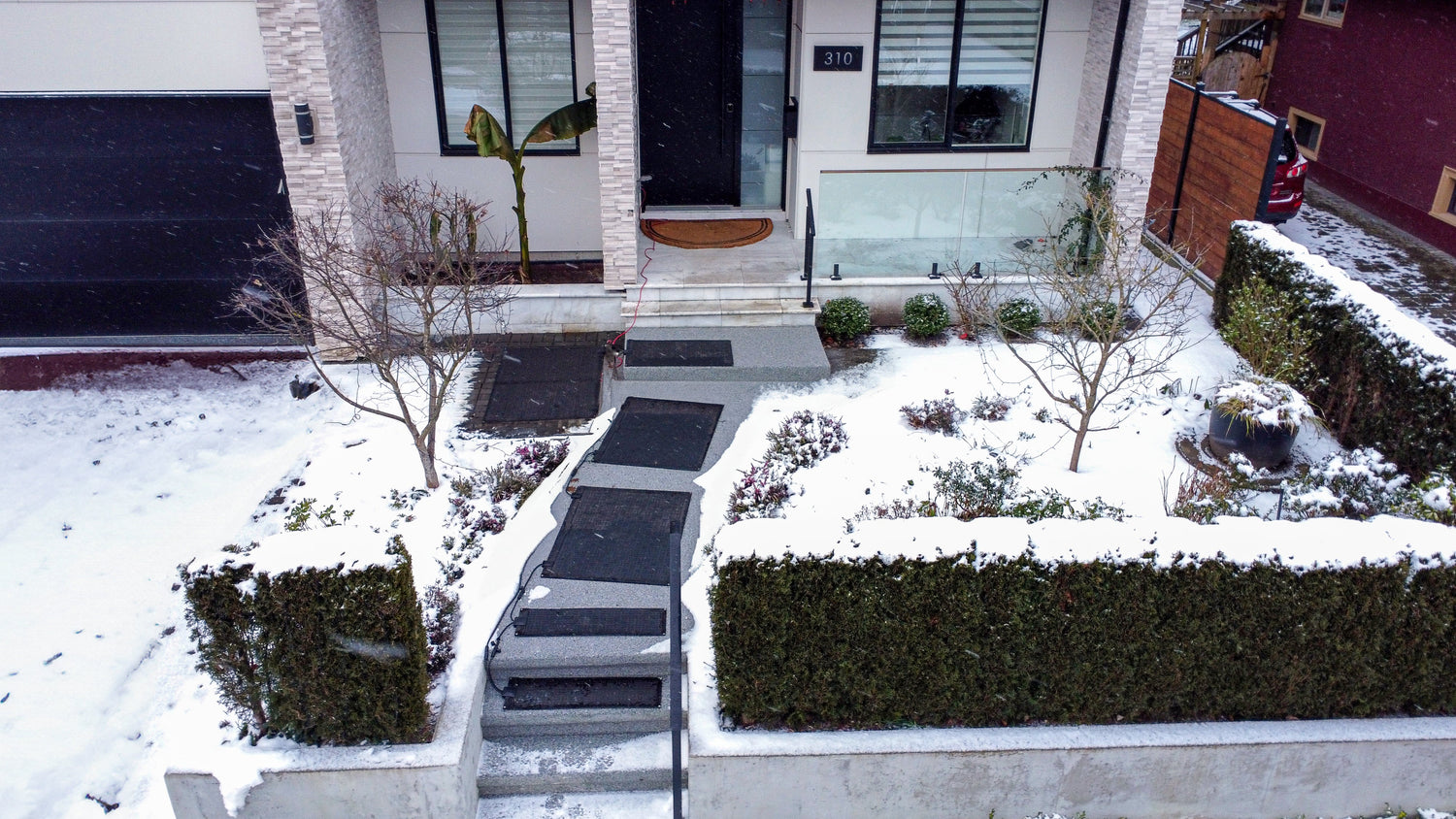
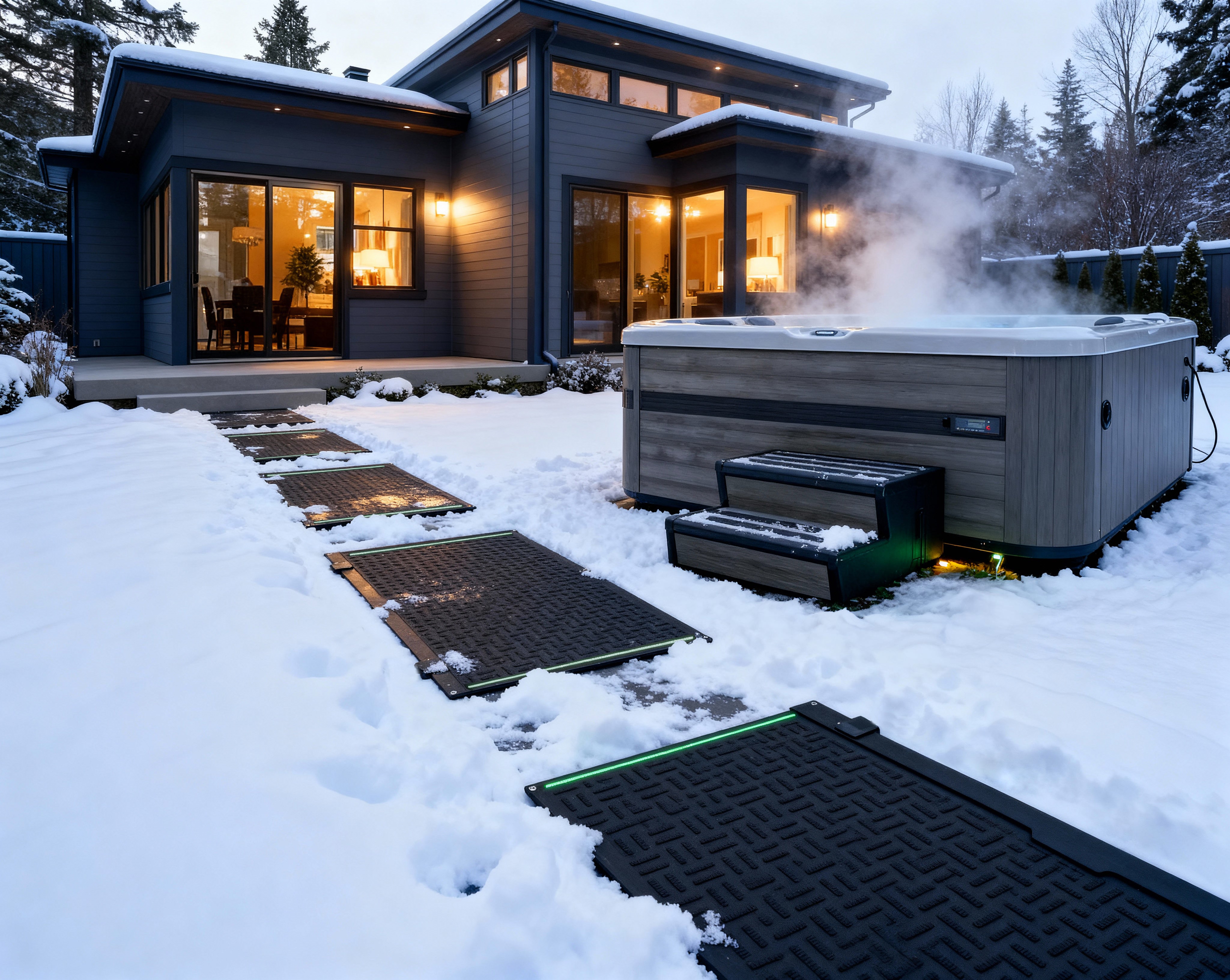
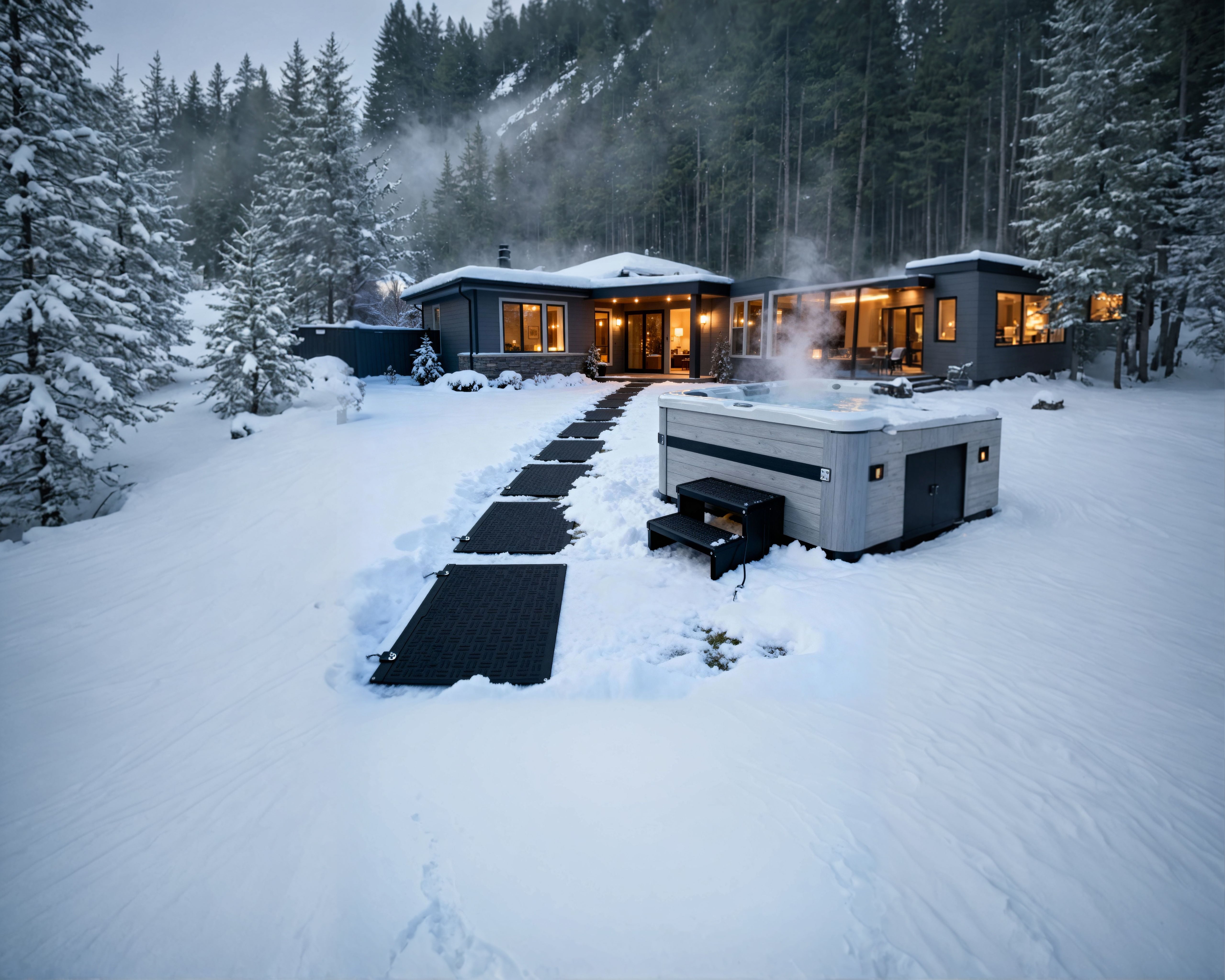
Heated mats approach winter safety from a different angle. Instead of removing snow manually, they use controlled heat to keep walking surfaces above freezing. Snow melts as it falls, preventing accumulation and refreezing altogether.
This proactive method eliminates many of the risks associated with traditional snow removal and reduces the need for constant monitoring.
Comparing Reliability in Changing Weather Conditions
Snow shoveling is reactive by nature. Its effectiveness depends on how often someone is available to shovel, how quickly snow is removed, and whether temperatures rise and fall after clearing. During extended snowfall or overnight storms, shoveling becomes inconsistent, and snow can accumulate faster than it can be removed.
Heated mats operate continuously when activated. As long as power is available, they provide consistent performance regardless of snowfall timing. The surface stays warm, preventing ice formation even during fluctuating winter temperatures.
Consistency of Surface Conditions
One of the biggest differences between shoveling and heated mats is surface consistency. Shoveled surfaces are often uneven, may retain thin ice layers, and depend on additional de-icers for traction.
Heated mat surfaces remain consistently clear, dry faster, and maintain predictable traction. This consistency is especially important in high-traffic areas such as entrances, steps, ramps, and walkways.
Time Investment and Ongoing Effort
Shoveling is rarely a one-time task. It often requires multiple sessions per storm, early-morning or late-night effort, and repeated applications of salt or sand. For businesses or properties with multiple access points, this time commitment adds up quickly.
Once heated mats are placed and activated, they require minimal daily attention. There’s no need to rush outside during storms or repeat clearing efforts, making them well suited for busy households, commercial buildings, and managed properties.
Weather-Related Uncertainty and Human Error
Manual snow removal relies heavily on judgment. Mistiming, incomplete clearing, or sudden temperature changes can quickly turn a shoveled area into a hazard. Heated mats reduce this uncertainty by maintaining stable surface temperatures regardless of minor weather shifts.
Impact on Surfaces and Property
Repeated shoveling and scraping can damage surfaces over time, especially concrete, pavers, wood decks, and stone steps. Metal shovel edges chip finishes, while salt accelerates surface deterioration.
Heated mats rest on top of existing surfaces, acting as a protective layer. By reducing freeze-thaw stress and eliminating the need for harsh chemicals, they help preserve the integrity of walkways and entry areas.
Environmental and Health Considerations
Snow shoveling often leads to heavy use of chemical de-icers. These substances can damage landscaping, corrode metal fixtures, create slippery indoor residue, and pose risks to pets and wildlife.
Heated mats reduce reliance on these chemicals by addressing ice before it forms, offering a cleaner and more controlled winter solution.
Accessibility and Inclusivity
Manual snow removal is not equally accessible to everyone. Individuals with physical limitations may struggle to shovel safely, and relying on outside help introduces delays.
Heated mats provide automated operation, consistent access routes, and improved safety for seniors, visitors, and employees. This makes them a valuable option for properties prioritizing accessibility.
Indoor Safety Considerations
While shoveling clears outdoor areas, it does little to prevent moisture from being tracked indoors. Melted snow from boots often leads to slippery interior floors.
By melting snow before it reaches the door, heated mats help reduce indoor water buildup, lowering slip risks and minimizing cleaning needs.
Seasonal Flexibility
Heated mats are not permanent installations. They can be deployed at the start of winter, rolled up for storage during warmer months, and reused year after year. This flexibility allows users to adapt coverage as needs change without construction.
When Shoveling Still Makes Sense
Snow shoveling can still play a role in clearing large open areas where mats aren’t practical or during power outages. In some cases, it may supplement heated mats during extreme snowfall. However, for high-risk walking surfaces, shoveling alone often falls short.
Choosing the Safer, More Reliable Option
When comparing heated mats and snow shoveling, the difference comes down to prevention versus reaction. Shoveling reacts to snow after it falls, introducing physical risk, time demands, and inconsistent results. Heated mats prevent snow and ice from becoming hazards in the first place.
For those seeking a safer, more reliable way to manage winter conditions, heated snow melting mats offer a practical shift toward proactive winter safety.

Leave a comment
This site is protected by hCaptcha and the hCaptcha Privacy Policy and Terms of Service apply.