

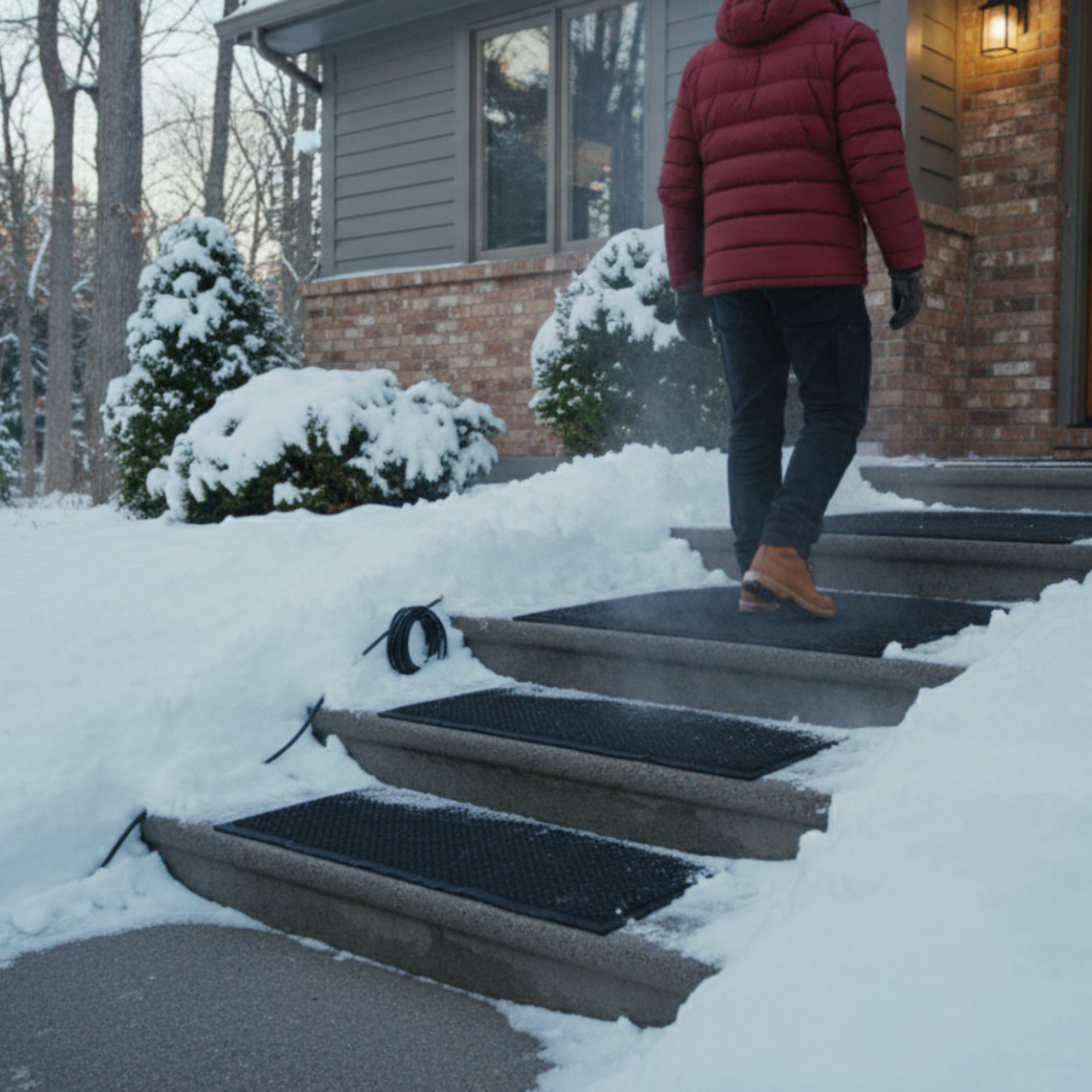

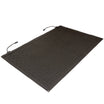
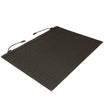

Snow melting mats are most effective when they are used proactively rather than reactively. While many people think of them as a response tool after snow has already accumulated, their real value comes from strategic timing. Understanding when to activate snow melting mats can make the difference between clear, safe surfaces and stubborn ice that’s difficult to manage.
HotStep Snow Melting Mats are designed to work continuously through winter conditions, but their performance improves significantly when they are used with proper timing and planning.
The Difference Between Preventing Ice and Removing It
Once snow compacts and freezes, removing it becomes more difficult and energy-intensive. Ice bonds tightly to surfaces, especially concrete, wood, and stone. Snow melting mats work best when they prevent this bond from forming in the first place.
Early activation allows HotStep mats to:
-
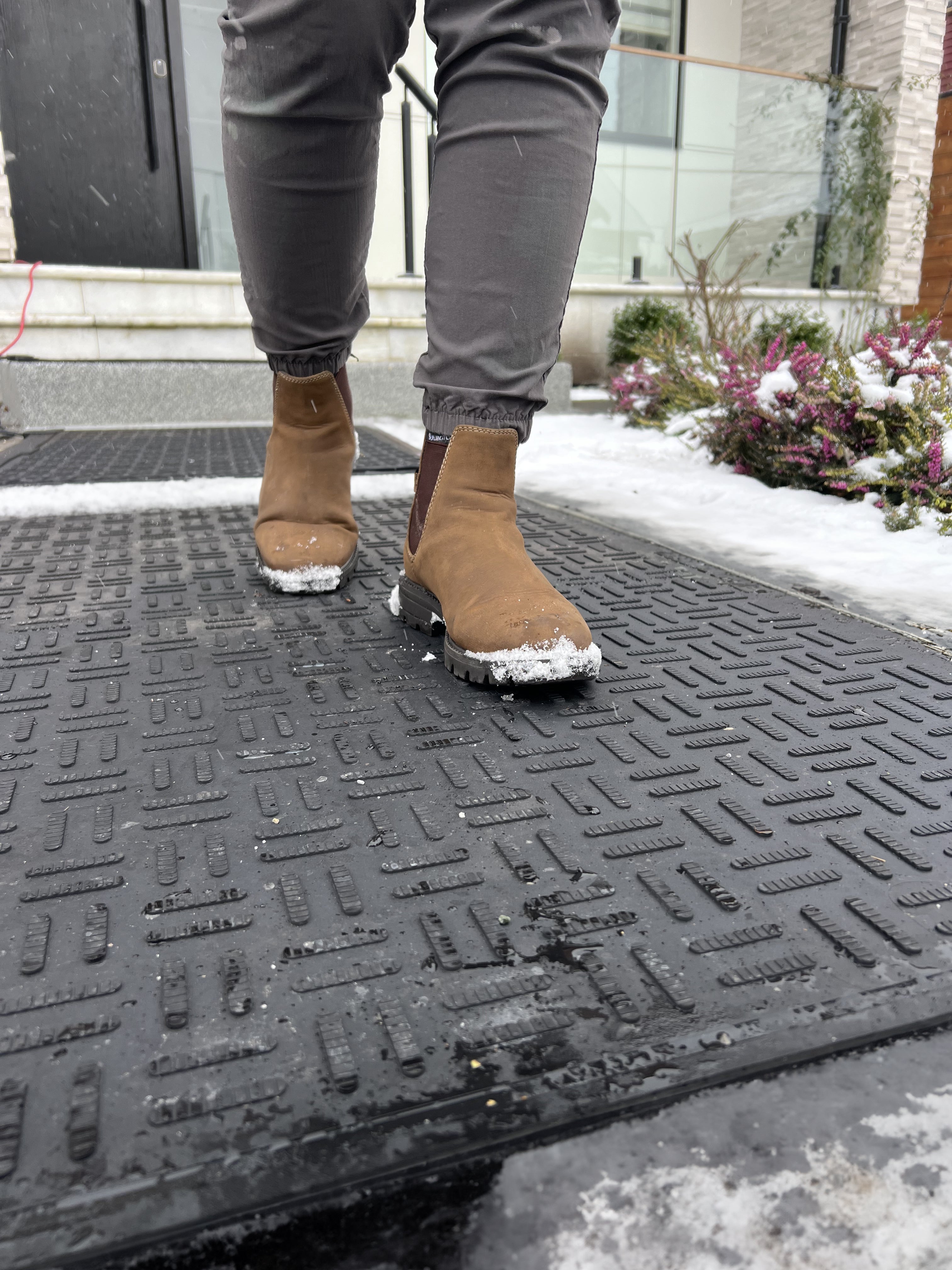
Melt snow as it lands
-
Prevent compaction from foot traffic
-
Reduce refreezing cycles
-
Maintain a consistently walkable surface
This approach is more effective than trying to melt thick layers of compacted ice after the fact.
Activating Mats Before Snowfall Begins
One of the most common mistakes is waiting until snow is already visible before turning mats on. Activating snow melting mats in advance allows the surface to warm gradually, creating conditions where snow cannot adhere.
When mats are turned on early:
-
Snow melts on contact instead of accumulating
-
Less water pools on the surface
-
Foot traffic doesn’t compress snow into ice
-
Clearing becomes unnecessary or minimal
This proactive method is especially important during overnight snowfall or freezing rain events.
Managing Freeze-Thaw Cycles Throughout the Day
Winter weather often fluctuates between freezing and thawing, particularly in transitional seasons. Snow may melt during daylight hours and refreeze at night, creating invisible ice hazards.
HotStep Snow Melting Mats help manage these cycles by:
-
Maintaining surface temperature during temperature drops
-
Preventing meltwater from refreezing
-
Keeping walking areas consistent throughout the day
This is especially beneficial in shaded areas that receive little sunlight.
High-Traffic Timing Considerations
Timing becomes even more important in areas with heavy foot traffic. Entrances, stairs, and walkways experience constant compression from boots, which accelerates ice formation.
By running snow melting mats during peak use:
-
Snow doesn’t get packed down
-
Surfaces remain predictable underfoot
-
Ice doesn’t build up between cleaning intervals
-
Safety remains consistent throughout the day
This makes HotStep mats particularly valuable for properties with scheduled traffic patterns.
Overnight Use and Early Morning Safety
Many winter accidents occur early in the morning, before snow and ice are addressed. Snow melting mats that remain active overnight help ensure surfaces are already clear when people begin using them.
Overnight activation helps:
-
Prevent morning ice buildup
-
Reduce the need for early shoveling
-
Improve safety during low-light conditions
-
Provide peace of mind during winter storms
This is especially useful for residential properties, workplaces, and facilities with early operating hours.
Responding to Weather Forecasts
Snow melting mats are most effective when used in response to forecasts rather than visible conditions. Monitoring upcoming snowfall, freezing rain, or temperature drops allows mats to be activated at the right moment.
Using forecasts effectively helps:
-
Reduce energy waste
-
Improve snow melting efficiency
-
Prevent surprise ice formation
-
Maintain consistent performance
This forward-thinking approach maximizes the benefits of HotStep Snow Melting Mats throughout the season.
Avoiding Common Timing Mistakes
Even high-quality snow melting mats can underperform if timing is ignored. Common mistakes include:
-
Turning mats on too late
-
Deactivating them too early
-
Only using them after ice forms
-
Running them inconsistently during storms
Understanding proper timing ensures the mats do what they’re designed to do — prevent winter hazards, not chase them.
Building a Consistent Winter Routine
The most effective use of snow melting mats comes from establishing a routine based on weather patterns and usage needs. Once this routine is in place, winter maintenance becomes predictable and manageable.
A strong winter routine includes:
-
Monitoring weather conditions
-
Activating mats ahead of snowfall
-
Keeping them on during active storms
-
Adjusting usage during temperature changes
This consistency allows HotStep Snow Melting Mats to perform at their full potential.
Smarter Winter Management Through Timing
Snow melting mats are not just about heat — they’re about strategy. When used with proper timing, HotStep Snow Melting Mats prevent ice before it becomes a problem, reduce maintenance demands, and improve safety throughout winter.
By focusing on prevention rather than reaction, property owners can maintain safer, more reliable surfaces no matter how unpredictable winter becomes.

Leave a comment
This site is protected by hCaptcha and the hCaptcha Privacy Policy and Terms of Service apply.