

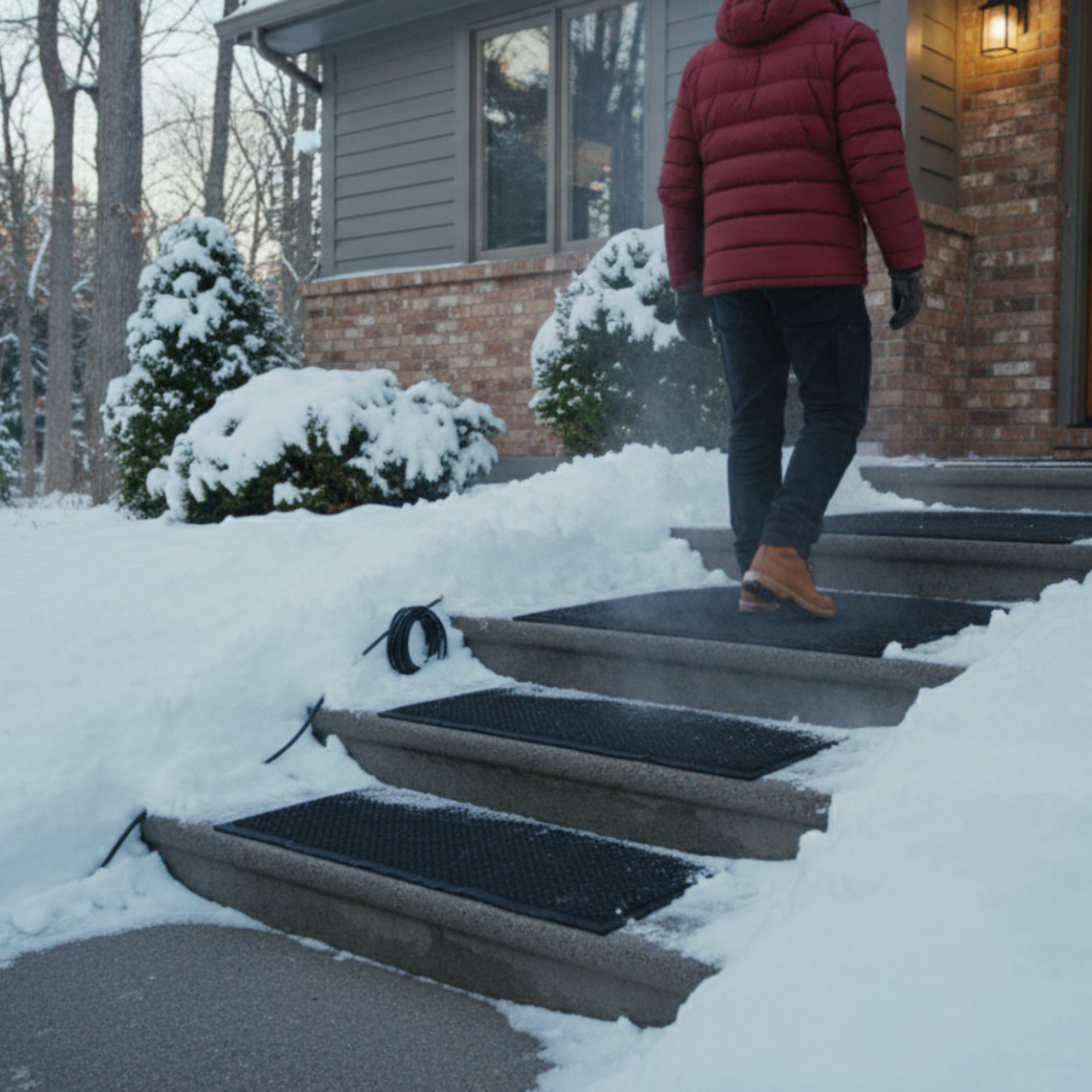

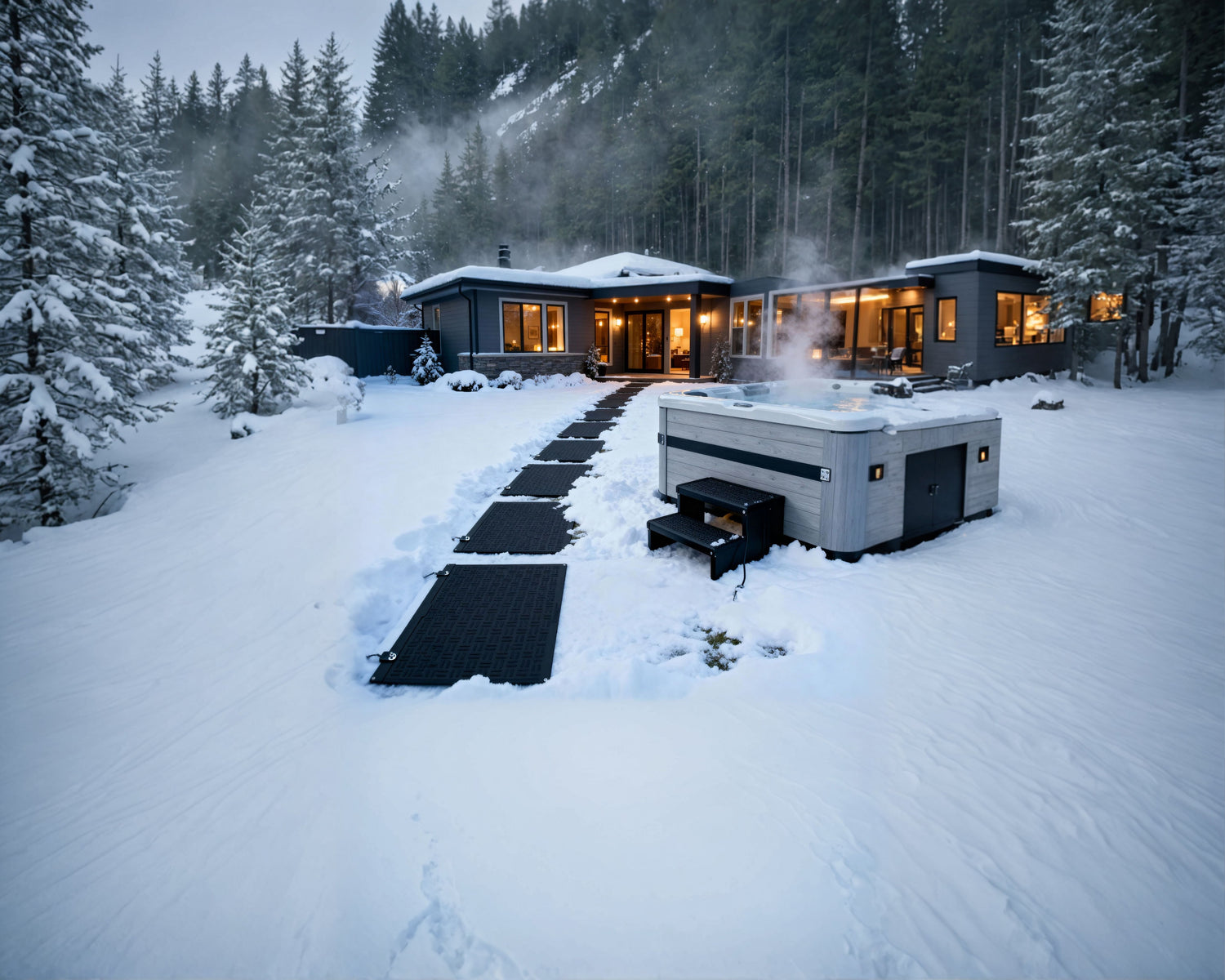
Winter safety isn’t just about clearing snow—it’s about knowing where snow and ice create the highest risk. While some areas can tolerate occasional buildup, others become hazardous almost immediately. Heated snow melting mats are most effective when they’re placed strategically, targeting high-traffic zones and surfaces prone to ice formation.
Rather than trying to treat an entire property, many homeowners and property managers achieve better results by focusing on key locations where heated mats make the greatest difference. This guide explores where snow melting mats have the biggest impact and why placement matters as much as the technology itself.
Understanding High-Risk Winter Zones
Not all outdoor areas behave the same way in winter. Certain surfaces freeze faster, hold moisture longer, or experience heavier foot traffic. These areas are often responsible for the majority of winter slips and falls.
High-risk zones usually share at least one of the following characteristics:
-
Frequent pedestrian use
-
Poor drainage
-
Shade or limited sun exposure
-
Sloped or uneven surfaces
-
Transitions between outdoor and indoor spaces
Heated mats are designed to neutralize these risks by maintaining a consistent surface temperature.
Front Steps and Entryways
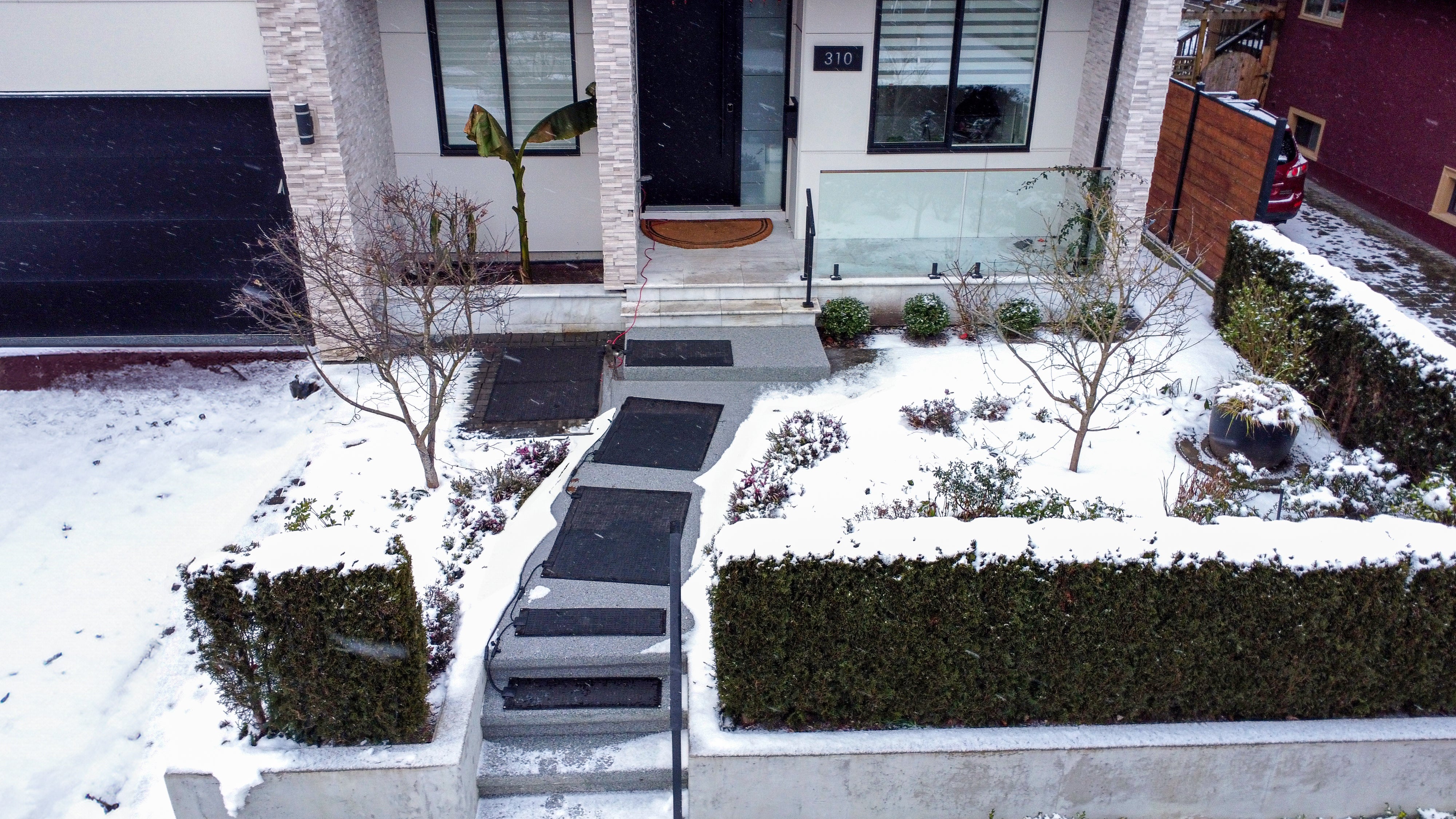
Front steps are one of the most common locations for winter accidents. Snow collects on each step, melts slightly from foot traffic or daytime warmth, then refreezes overnight. This cycle creates thin, hard-to-see ice layers that are especially dangerous.
Heated snow melting mats work exceptionally well on steps because they:
-
Keep each tread clear and dry
-
Prevent ice from forming at step edges
-
Maintain traction during temperature swings
Because steps concentrate foot traffic in a small area, even a few mats can dramatically improve safety.
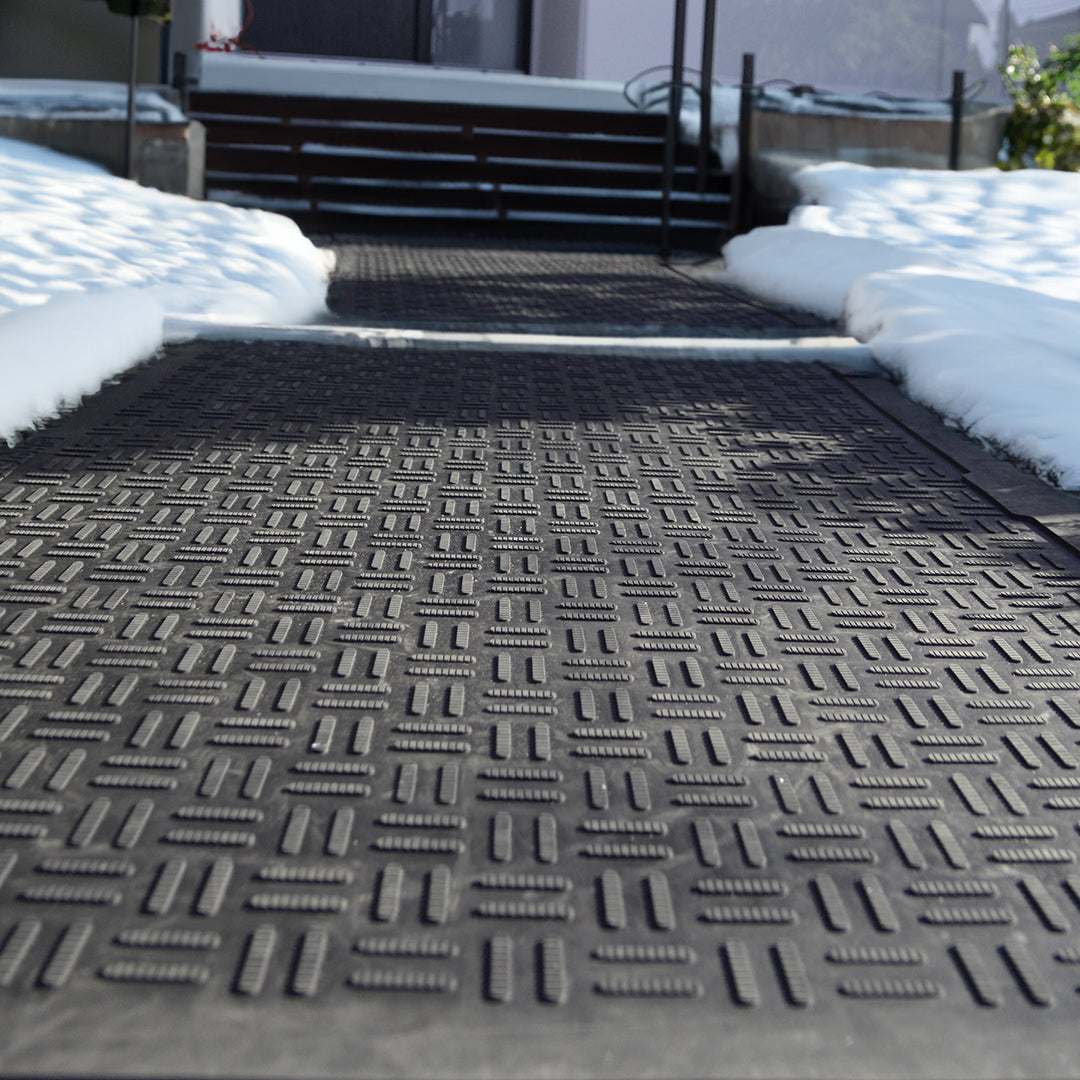
Walkways Leading to Entrances
Walkways are often overlooked until they become slippery. Snow accumulates quickly, especially during ongoing storms, and compacted foot traffic turns it into ice.
Placing heated mats along walkways:
-
Creates a consistently safe walking path
-
Reduces the need for repeated shoveling
-
Keeps access points usable throughout the day
Rather than covering the entire width, many users install mats in a single walking lane, focusing on where people naturally step.
Ramps and Accessibility Paths
Ramps require special attention in winter. Even a thin layer of ice can make them unusable or dangerous, particularly for individuals using mobility aids.
Heated mats on ramps help by:
-
Eliminating ice buildup on sloped surfaces
-
Providing consistent traction
-
Supporting accessibility compliance
Because ramps cannot be aggressively shoveled or salted without causing surface damage, heated mats offer a safer, more controlled solution.
Decks and Elevated Surfaces
Decks are particularly vulnerable to winter damage and ice formation. Snow tends to linger longer on wood and composite surfaces, and freeze-thaw cycles can cause cracking, warping, or surface deterioration.
Using snow melting mats on decks:
-
Keeps walking areas clear
-
Reduces moisture absorption
-
Helps protect the deck structure over time
This is especially useful for decks connected to main living areas or frequently used outdoor spaces.
Side Entrances and Secondary Doors
While front entrances often receive the most attention, side and back doors are just as important—especially for family members, employees, or deliveries.
These areas are frequently:
-
Less visible
-
Less maintained
-
More shaded
Heated mats ensure these access points remain safe without requiring constant monitoring or manual clearing.
Garage Entry Points
Garage thresholds are another high-impact placement area. Snow and ice are tracked in from driveways, creating slick conditions right where people step in and out of vehicles.
Heated mats placed at garage entry points:
-
Melt snow from boots immediately
-
Reduce indoor water buildup
-
Improve footing on smooth concrete surfaces
This helps prevent slips while also protecting interior flooring.
Commercial Entrances and Storefronts
For businesses, entrances are both safety-critical and customer-facing. Icy conditions not only increase liability risk but also create a poor first impression.
Heated mats at commercial entrances:
-
Keep walkways clear during business hours
-
Reduce maintenance demands
-
Support safer customer and employee access
Because these areas see constant foot traffic, automated snow control is especially valuable.
High-Traffic Outdoor Work Areas
In commercial or industrial settings, certain outdoor areas remain active year-round. Loading zones, service walkways, and equipment access paths are often exposed to snow and ice but can’t afford downtime.
Strategically placed heated mats:
-
Maintain operational continuity
-
Reduce worker injury risk
-
Improve traction without chemicals
Targeted coverage is often more effective than broad, generalized snow removal.
Stair Landings and Transition Zones
Transition zones—where surfaces change from outdoor to indoor or from one material to another—are common slip points. Water accumulates in these areas and freezes quickly.
Heated mats at landings and thresholds:
-
Stabilize surface temperature
-
Reduce moisture buildup
-
Improve overall flow of foot traffic
These areas often require fewer mats while delivering high safety benefits.
Areas With Limited Sun Exposure
Shaded areas are notorious for holding ice long after other surfaces have cleared. North-facing walkways, covered steps, and areas between buildings often remain frozen throughout the day.
Heated mats provide consistent melting regardless of sunlight, making them ideal for these stubborn problem spots.
Why Strategic Placement Matters More Than Coverage Size
One of the biggest advantages of snow melting mats is flexibility. Instead of covering every surface, users can focus on the areas that matter most.
Effective placement:
-
Maximizes safety benefits
-
Reduces energy use
-
Minimizes setup and storage requirements
By identifying where snow and ice cause the most disruption, heated mats deliver the greatest return in safety and convenience.
Adapting Placement as Needs Change
Because heated mats are portable and seasonal, placement doesn’t have to be permanent. Mats can be moved or expanded as property use changes, making them suitable for evolving needs.
This adaptability is especially useful for:
-
Growing households
-
Seasonal businesses
-
Properties with variable traffic patterns
Making Winter Safety More Predictable
Winter conditions are unpredictable, but safety doesn’t have to be. Heated snow melting mats bring consistency to areas that are otherwise difficult to manage, keeping critical zones clear regardless of weather fluctuations.
By focusing on the locations where ice creates the highest risk, property owners can dramatically improve winter safety without excessive effort or constant maintenance.

Leave a comment
This site is protected by hCaptcha and the hCaptcha Privacy Policy and Terms of Service apply.